
Most people associate OMAD with religion and slimming however fasting is beyond that, yes it every effective to both slimming and religion but it got a lots of health benefits and this is not a hear say however I am talking from experience
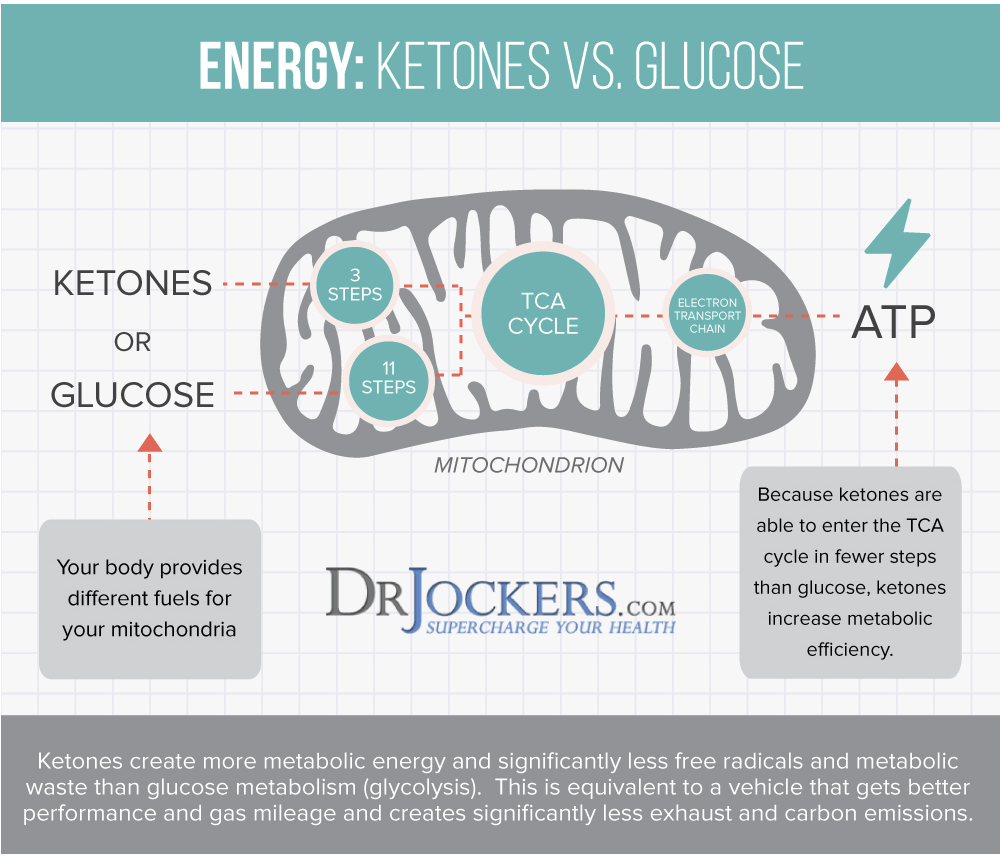
Most people they do not understand that for OMAD to work you have to avoid anything that might spike insulin, so it apparent that you can not take anything with sugar or artificial sweeteners while you are on OMAD. The fact is that anything written sugarless or zero sugar but got a sweet taste you must avoid simply because it will spike insulin as the result you will not fully enjoy the benefits of OMAD.
Why Would Someone Practice OMAD?
Still, you may wonder why OMAD? From an ancestral standpoint, humans were never meant to eat three scheduled meals and possibly some snacks during the day. Our early ancestors ate when food was available. Their bodies adapted to keep their brains and bodies healthy and performing at an optimal level even when food wasn’t available. While this may seem like a long time ago, we actually much closer to our ancestors than you would think.

Intermittent fasting strategies try to mimic the way our ancestors lived, and OMAD is one of the best ways to get to this natural way of being. Intermittent fasting, including OMAD, can activate your stress response pathways to enhance your mitochondrial performance, boost autophagy, maximize DNA repair, trigger beneficial metabolic changes, help weight loss when needed, prevent inflammation and chronic disease, and supercharge your body overall (1, 2, 3, 4).
Fasting can also help the process of mitophagy, which is an important element of autophagy. Through mitophagy, your body metabolized damaged and old mitochondria, allowing more space for new, better-functioning mitochondria. With the help of new and healthier mitochondria, your body becomes more resilient to inflammation, chronic stress, chronic pain, chronic diseases, and aging (9).
You can read more about autophagy in this article.
Benefits of Fasting
https://www.webmd.com/diet/psychological-benefits-of-fasting
Mental function. When you fast, your body has less toxic materials flowing through the blood and lymphatic system, making it easier for you to think. While fasting, the energy you’d normally use to digest food is available to be used by the brain.
You likely won’t notice this mental change until the first few days of a fast because your body takes time to adjust. You might have headaches or pain points at the beginning of the process. But after your body clears itself of toxins, your brain has access to a cleaner bloodstream, resulting in clearer thoughts, better memory, and increased sharpness of your other senses.
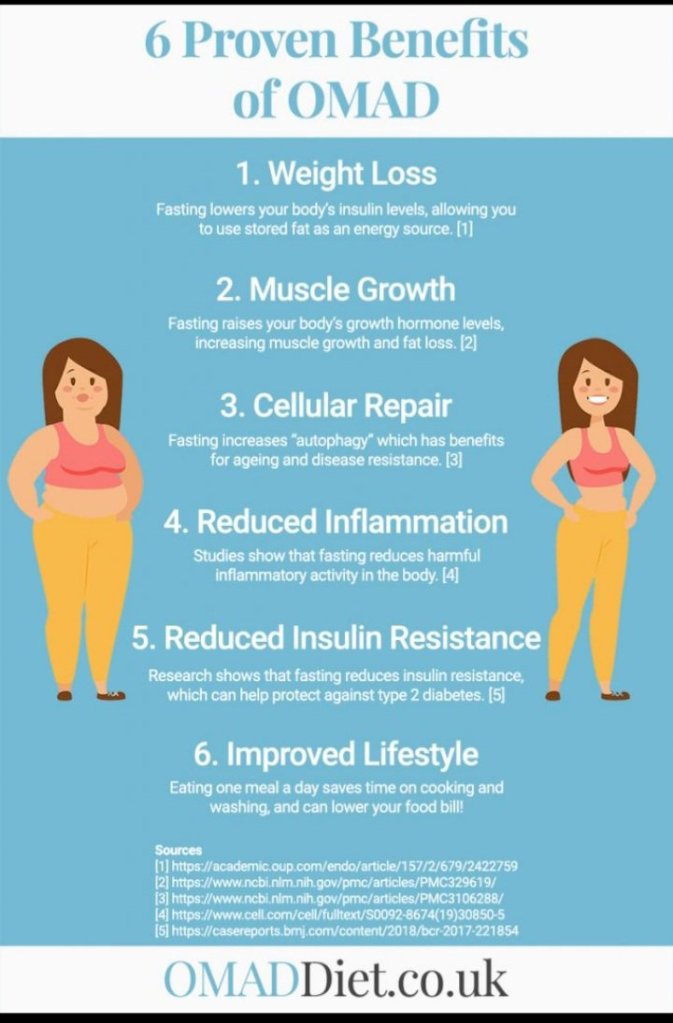
Healing rejuvenation. Fasting puts your body through a rejuvenation experience. It dissolves diseased cells, leaving only healthy tissue. There’s also a noticeable redistribution of nutrients in the body. The body hangs onto precious vitamins and minerals while processing and getting rid of old tissue, toxins, or undesirable materials.

Increased willpower. Choosing to fast requires mental strength and the ability to resist short-term gratification to pursue long-term goals. When you choose to participate in such a challenging exercise and succeed, you’ll likely experience enormous gratification and a renewed sense of accomplishment.
Tips to Use Fasting to Improve Your Well-Being
Ease into it. Try not to go from eating to not eating all at once. Instead, try to cut back on food and drink intake over a few days or weeks.
Avoid sugar. Food and cookies made from sugar can make you feel satisfied at first, but when your blood sugar goes down, you might become hungry and weak. To prepare for an experience like fasting, fill up on things like pasta, rice, meat, beans, and potatoes instead.
Cut back on activity. When you’re fasting, try to take it easy on yourself. Try not to do much strenuous movement or exercise. Your body doesn’t have the ability to replenish itself when you’re not eating.
Consider medication. Before you start a fast, check with your doctor about any medications you might take. If there are medications you have to take every day, talk with your doctor about whether it’s OK to take them without food.
 Beyond