
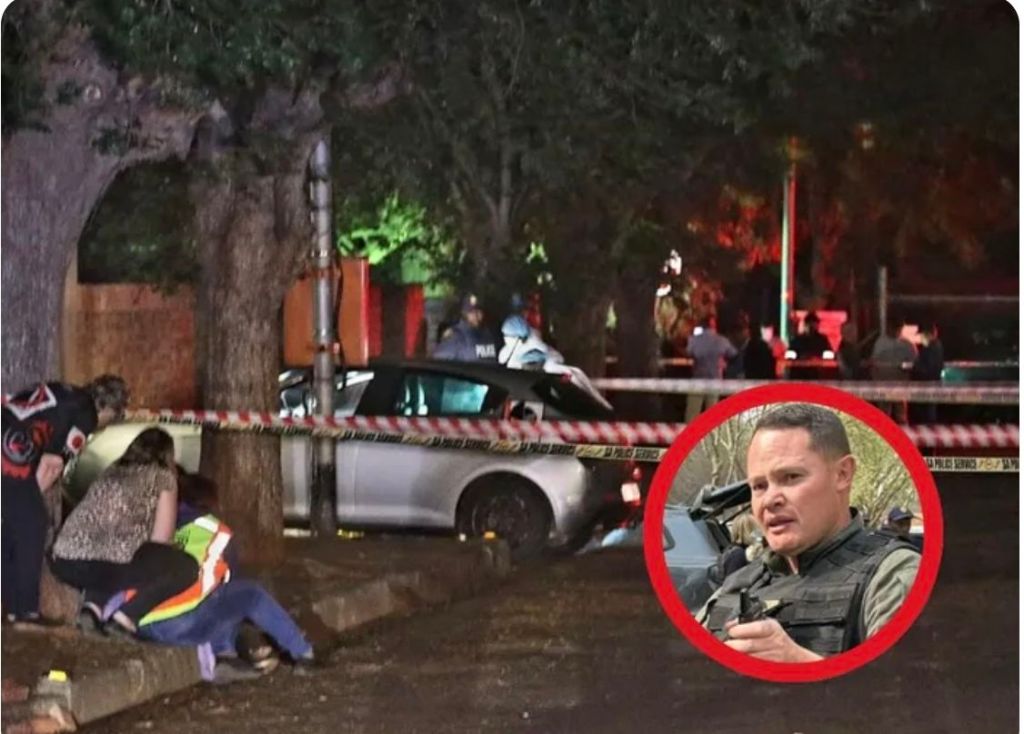
The nation is profoundly impacted by the violent death of witness D, underscoring concerns regarding the country’s slide into lawlessness. Restoring stability requires a comprehensive understanding of the underlying factors driving this issue.
A detailed examination of the crisis reveals its roots in the Arms Deal scandal, which compromised the democratic government from its inception. The procurement of military equipment to replace obsolete apartheid-era arsenal was a legitimate governmental function. Notably, the acquisition of three submarines was a strategic decision, given the country’s unique geographical characteristics and the defensive nature of these weapons.
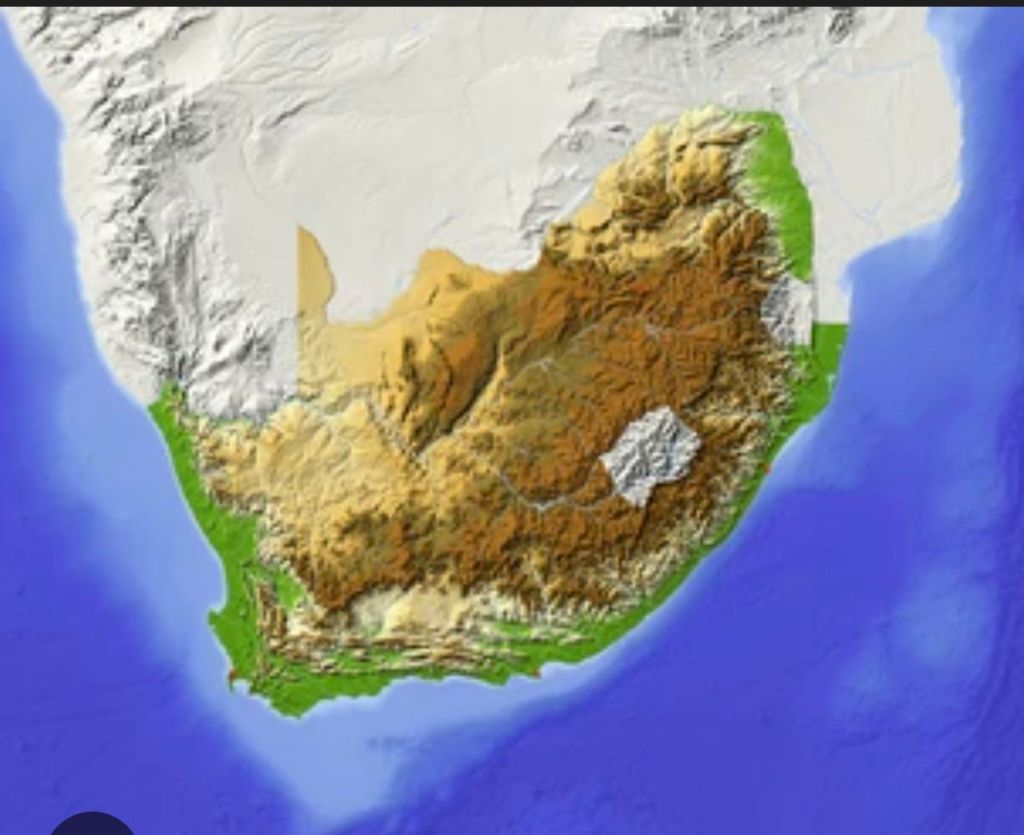
Those opposed to the democratic government, seeking its destabilization, recognized that a strong military and police force would prevent the country’s collapse. Consequently, efforts to undermine these institutions commenced, and the Ramaphosa administration’s handling of the situation has exacerbated it.
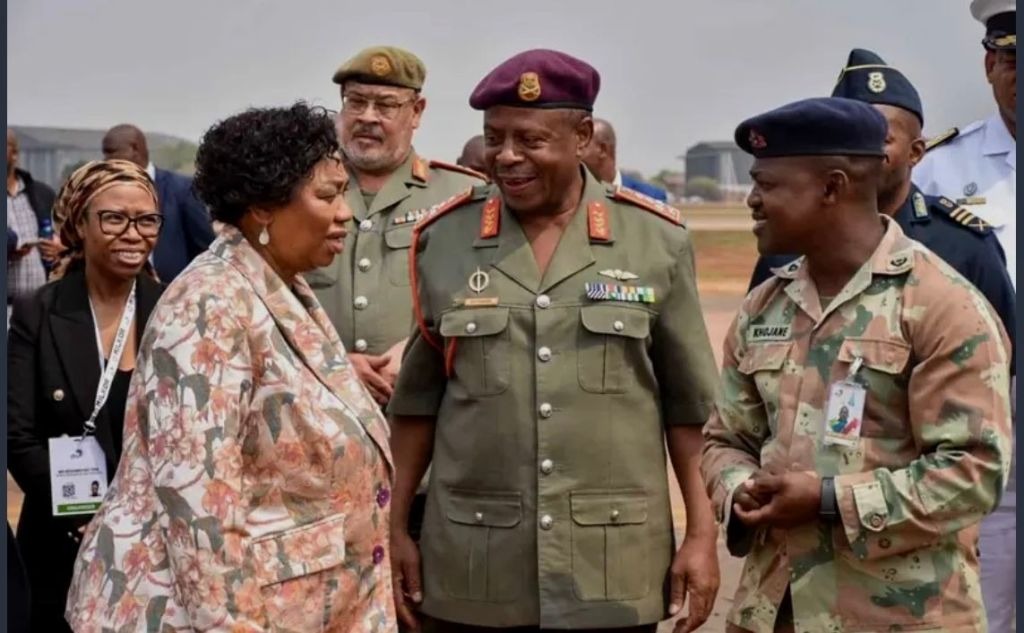
The appointment of a very elderly individual as Minister of Defence raises questions about the administration’s priorities, potentially contributing to the current state of affairs where private security companies appear better equipped than both the South African National Defence Force (SANDF) and the South African Police Service (SAPS). It is noteworthy that both Cat Matlala and witness D had their own private security companies.
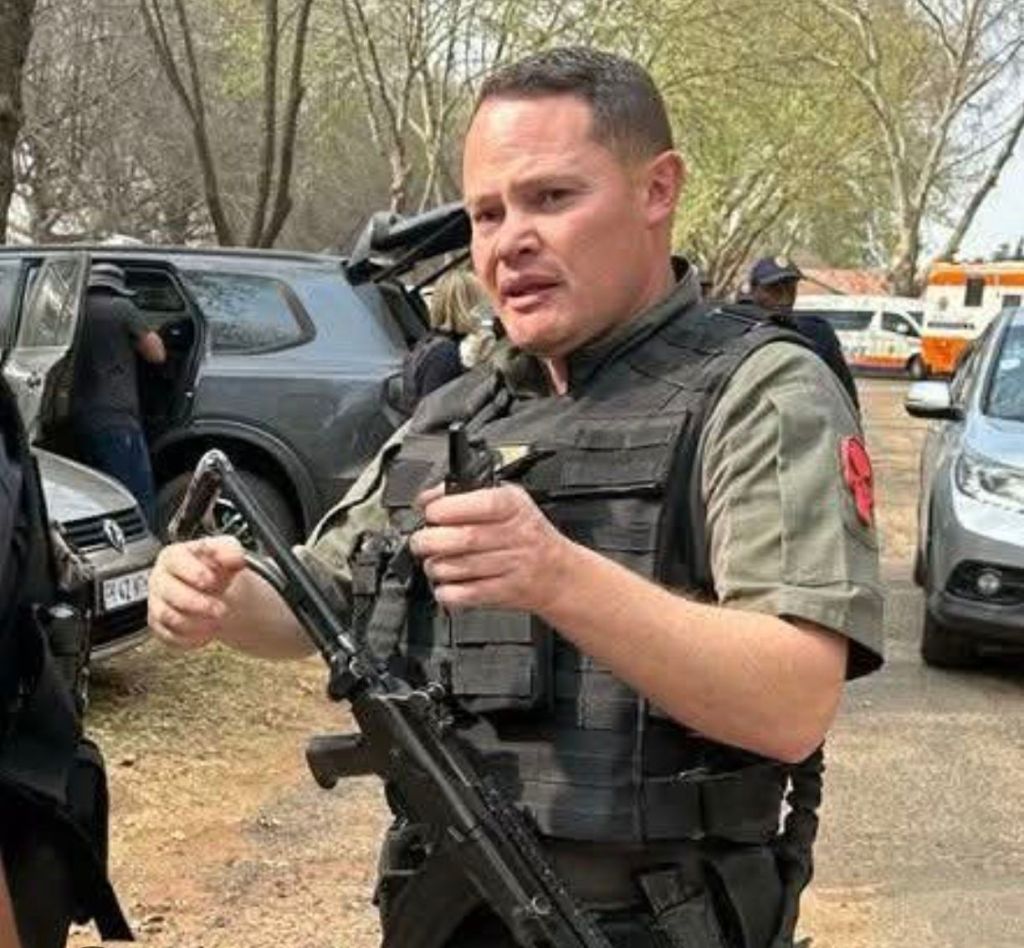
General Nhlanhla Mkhwanazi, when asked about the July 2021 looting, did state that the Army is under-budgeted and it was overwhelmed during the July unrest.
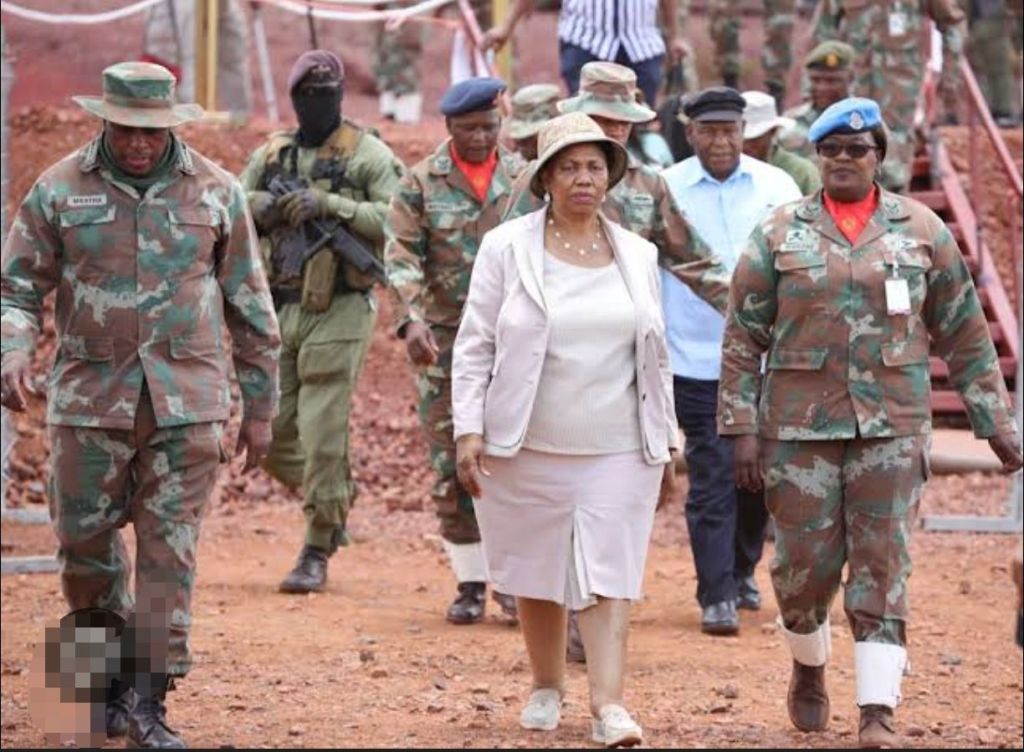
The Arms Deals propaganda severely destabilized the country’s security apparatus and the ruling party, Vusi Mavimbela, a former director-general of intelligence, states that the National Intelligence Agency emphatically advised President Thabo Mbeki not to dismiss his deputy Jacob Zuma because it would destabilize the country, but Mbeki proceeded to fire Deputy President Zuma, and indeed the secret service split and was misused to settle political scores.
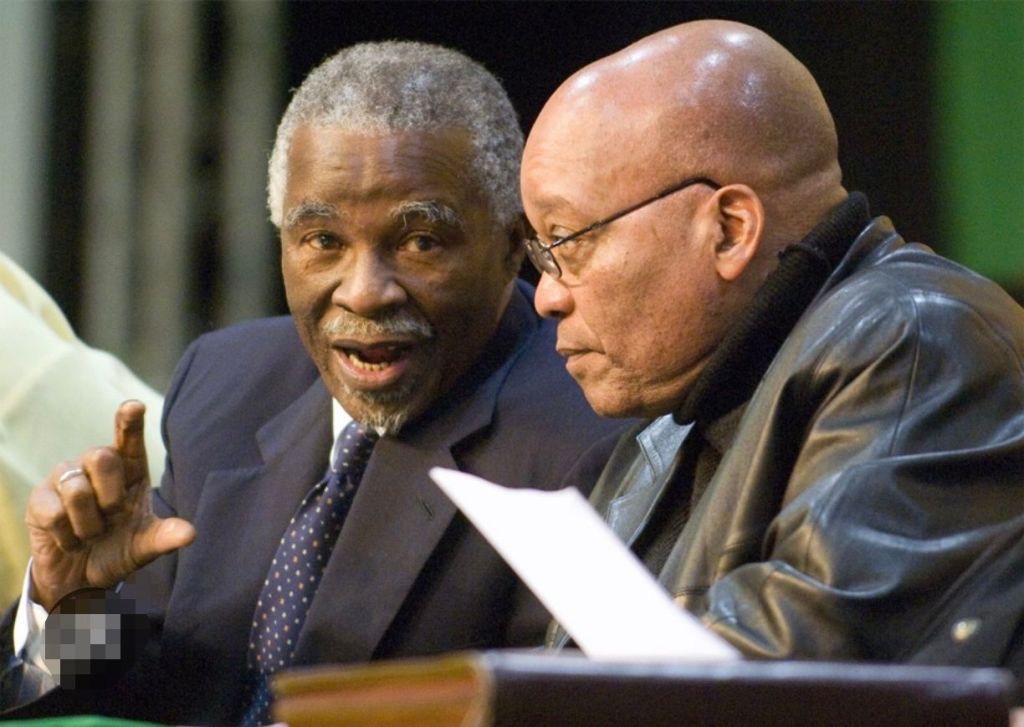
Billy Masetlha, the former head of intelligence, was dismissed amid a political scandal involving an alleged plot against then-Deputy President Jacob Zuma and a power struggle with then-President Thabo Mbeki. Masetlha was suspended in October 2005 and fired by President Thabo Mbeki in March 2006, citing a breakdown of trust. The intelligence scandal was widely believed to be related to an intense factional battle within the African National Congress (ANC) between the Mbeki and Zuma camps. Masetlha was perceived as being aligned with Jacob Zuma and was also accused of authorizing unlawful surveillance of businessman and Mbeki ally Saki Macozoma under the pretext of foreign intelligence involvement.
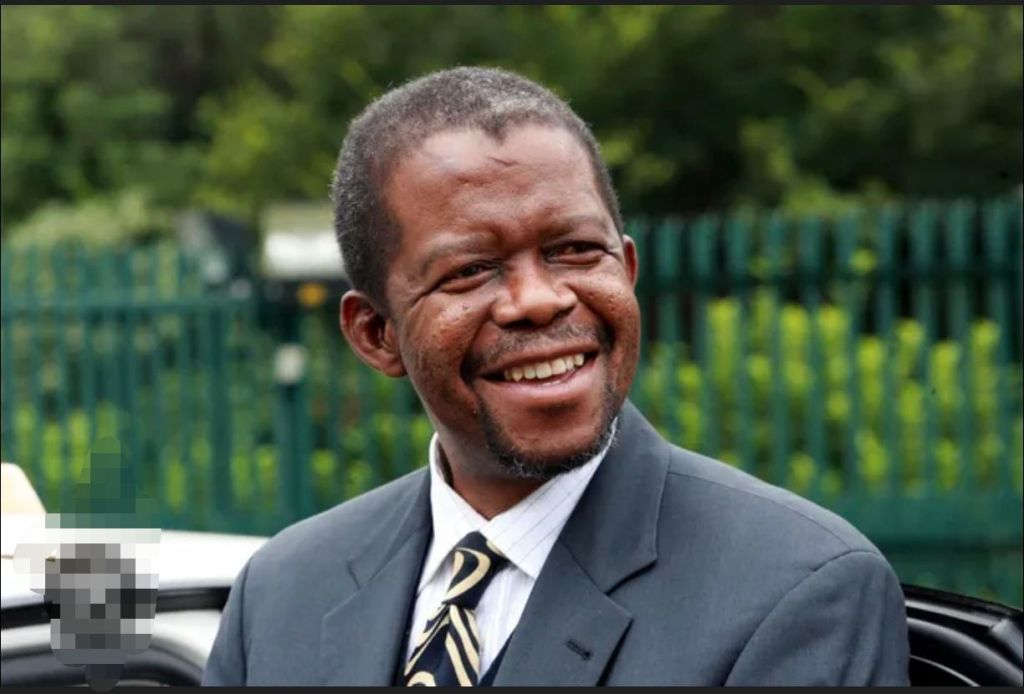
In summary, Masetlha was a central figure in a major intelligence scandal that exposed deep political divisions within the ANC and the government’s security apparatus during the power transition from Thabo Mbeki to Jacob Zuma.
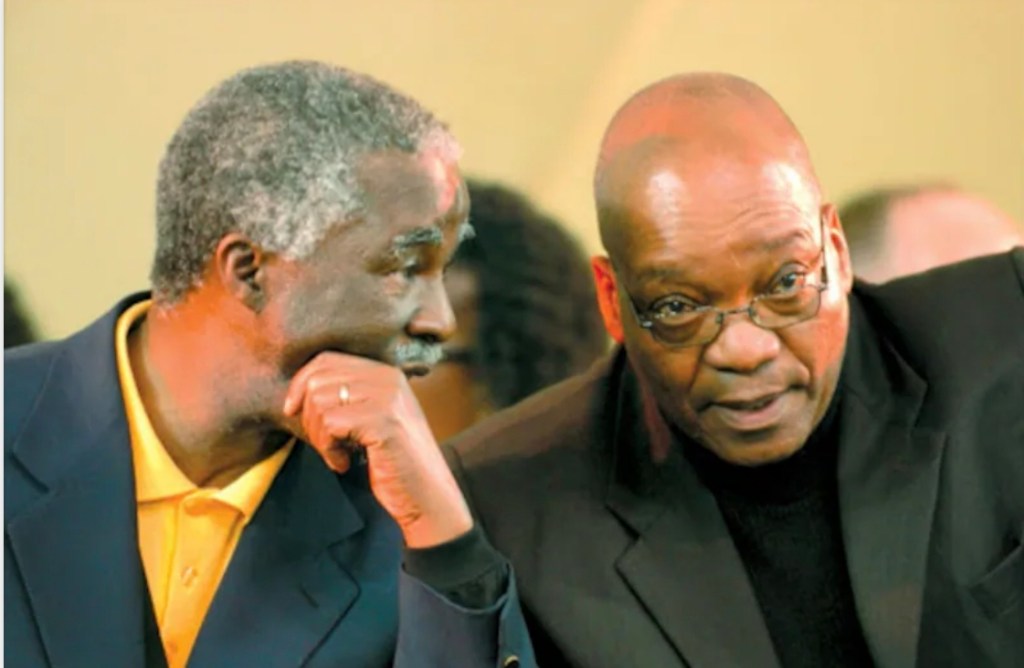
It’s worth noting that Mbeki was forced by the Arms Deal scandal to dismiss Zuma, I cited Mr Masetlha and Mr Mavimbela because the schism within the secret service started during their tenure and what we are currently witnessing at the Madlanga Commission emanated from the deputy president’s dismissal, the NIA adamantly advised President Mbeki not to fire Zuma but Mbeki disregarded the NIA intelligence report and it’s alleged that he relied or he was misled by foreign intelligence agents who were actively working against the democratic government.

Mbeki has confirmed that there are secret forces who are hell-bent on collapsing the RSA’s democratic government and he provided examples. He referred us on how foreign forces tried to collapse SARS, he stated that Bain Consulting which is the foreign entity knew year ahead that Tom Moyane was going to be the Commissioner of SARS and started to groom him, remember the SARS Rogue Unity and KPMG’s U-turn.
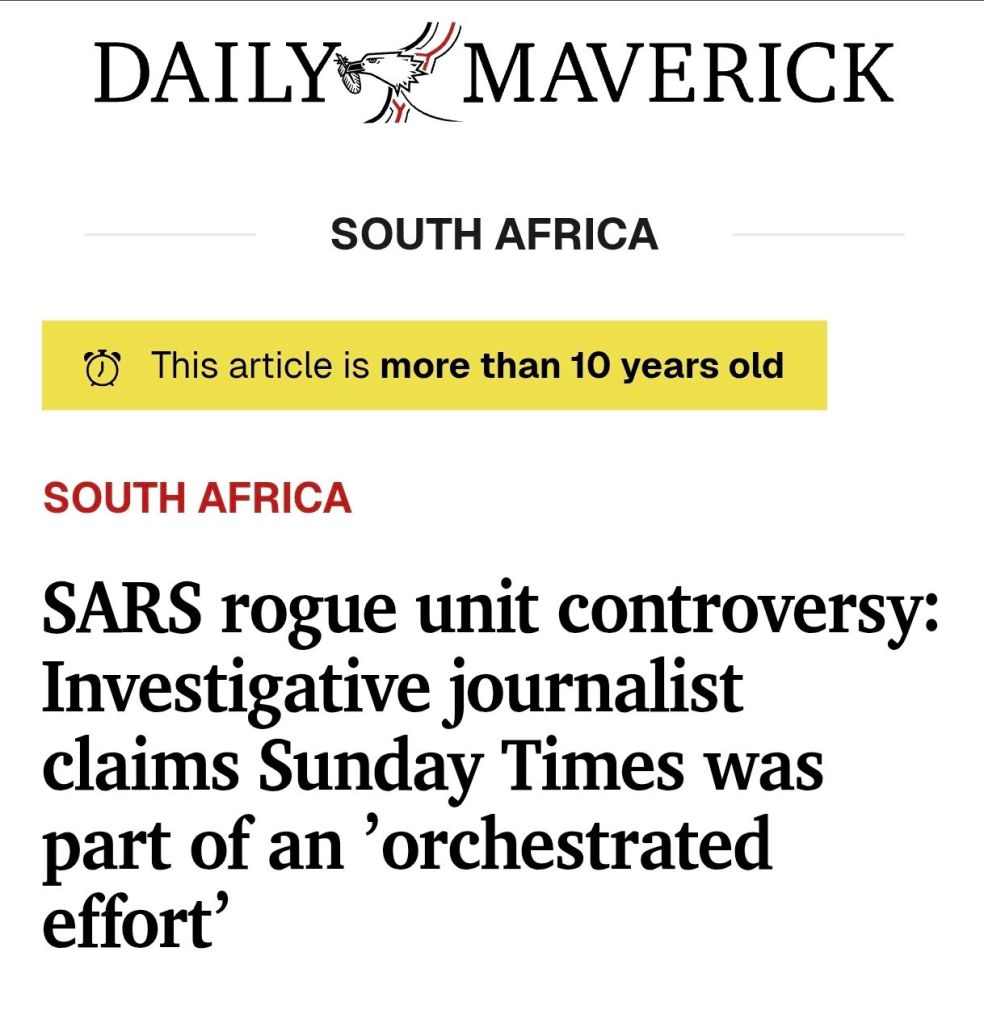
In 2014, media reports, particularly from the Sunday Times, claimed SARS had an illegal ‘rogue unit’ that spied on citizens, including intercepting taxpayer information. An initial investigation, led by Adv. Sikhakhane SC, reported that the unit was unlawful and that its leaders, including Ivan Pillay and Johann van Loggerenberg, had engaged in misconduct and the Public Protector later released a report also finding the unit was unlawful. A report by KPMG was also released but its conclusions were later retracted.
The instability within South Africa’s critical institutions originated from the Arms Deal scandal, which enabled counter-revolutionaries to swiftly undermine the country’s vital institutions and compromise the democratic government.
Senior ANC members, including Mr. Curl Niehaus, alleged that an ANC intelligence report from the late 1980s claimed the ANC was heavily infiltrated by counter-revolutionary agents, particularly within the United Democratic Front (UDF), with Cyril Ramaphosa identified as the primary counter-revolutionary agent.
According to the report, ANC intelligence instructed Thabo Mbeki and Jacob Zuma to utilize all necessary means to prevent Ramaphosa from securing a top leadership position within the ANC. The combined efforts of Mbeki and Zuma successfully thwarted these alleged agents from acquiring influential positions, but foreign agencies allegedly exploited the subsequent rift between Mbeki and Zuma to destabilize the country.
This schism purportedly led to corruption, poor governance, and violent crime, as appointments were made based on factionalism rather than merit. The brutal killings of key witnesses, such as Sindiswa Magaqa, Babita Deo Karan, and Marius van der Merwe, corroborate General Mkhwanazi’s July 6th statement, which prompted the establishment of the Madlanga Commission.

